 The Goth Subculture is a contemporany subcultre found in many countries. It began in England in 1980 as an offshoot of Post-punk genre.
Its imagery indicate influences from the 19th Century Gothic literature andd horror films such as "Dracula", "Frankenstein", "The Phantom of the Opera"etc. suing their
 styles and catching the dialogues and using them in daily life as a normal context in their lives.
The tastes in music, asthetics, and fashion, are totally differente among them, sharing a common characteristic, but always with something that marks each Gothic.
The styles of dress range from deathrock, punk, andogynous, Victorian, some Renaissance and Medieval and/or combinations of the above most often with dark attire, makeup and hair.
Ideology
 Is difficult to define and explicit ideology for the Gothic Subculture by several reasons.
 First is the overwhelming importance of mood and aesthetic for those involved. Which is in part inspired bye romanticism and neoromanticism.
During the late 18th and 19th century, feelings of horror and supernatural dread were widespread motifs in popular literature; the process contnues in the modern horror film, being and important fact that variates between each person, their way to be and the ideology.
Another central element of the gothic is a deliberate sense of camp theatricality and self-dramatization, present both in gothic literature as well as in he gothic subculture itself.
 Goths are usually NOT supportive of violence, as many people may think, but are tolerant of alternative lifestyles. media had incorrectly associated Goths with violence, hatred of minorities, and other acts of hate. However, violence do not form elements of its ideology.
The common ideology is formed bye recognition, indetification, and grief over soccietal and personal evils that mainstream culture wishes to ignore or forget. These are the prevalent themes in goth music.
Unlike the hippie or punk movements, the goth subculture is marked by its emphasis on individualism, tolerance for diversity, a strong emphasis on creativity, tendency toward intellectualism, and a mild tendecy towards cynism, but even tese ideas are NOT universal to all goths. Goth ideology is based far mor on aesthetics and simplified ethics than politics.
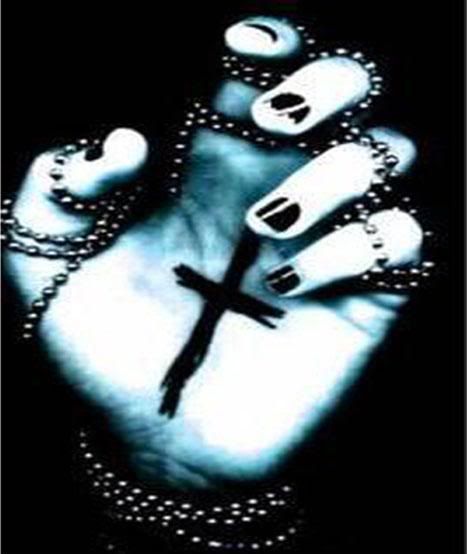
There is no common religious tie that binds together the goth movement, though spiritual, supernatural, and relogious imagery has played a part in gothic fashion, song lyrics and visual art. In particular, aesthetic elements form Catholicism ofthen appear in goth culture. There is a general tolerance for religious beliefs, and everyone including strict Catholics, atheists, and polytheists are accepted.
The typical gothic fashion includes dyed black hair, dark eyelner, black fingernails, black preiod-styled clothing. Gots may or may not have piercings. Styles are often borrowen from the Elizabethan, Victorian or medieval period and often express pegan, occult or other religious imagery such as pentacles of ankhs. Fashion depends a lot on the geographical locality of the Goths. Goth fashion is often confused with heavy metal fashion.

The Goth Music its extensive, and its since Goth Rock, death Rock, Industrial, Gothic Metal, EBM, Metal, ambient, experimental music, Synthpop, shoegazing, Punk Rock and Rock Glam.
Nowadays these genres has grown a lot and are characterized to "create" their own sound, which cant talk about evertyhing, since political issues, society or even the tipical influence: Horror.

